

Modern workplaces demand flexibility, and a height adjustable desk has become essential for organizations embracing dynamic work environments. Whether your team splits time between the office and remote locations, or employees rotate between collaborative zones and focused work areas, selecting the right height adjustable desk determines whether your workspace truly supports productivity or creates friction. The challenge isn't finding a height adjustable desk—it's identifying which height adjustable desk model aligns with your specific operational needs, budget constraints, and long-term workplace strategy.
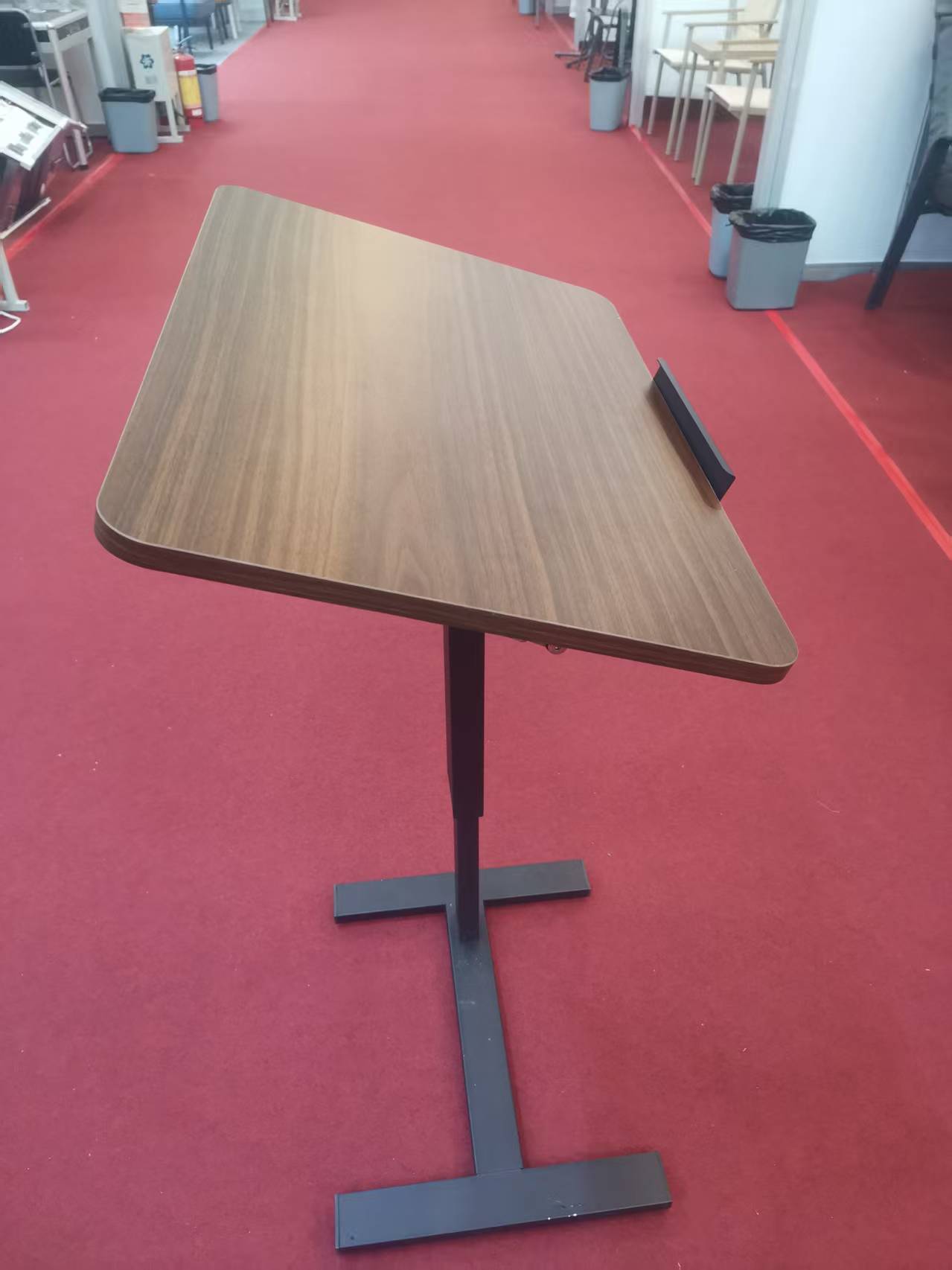
Flexible workspaces encompass shared desks, hot-desking arrangements, touchdown zones, and activity-based working models. In these environments, a height adjustable desk serves multiple users throughout the day, each with different ergonomic requirements. A single fixed-height desk cannot accommodate the diverse needs of your workforce, making height adjustable desk solutions a practical investment rather than a luxury. Understanding which height adjustable desk features matter most for flexible workspaces helps you make a purchase decision that delivers genuine value and supports employee wellness across your organization.
Identifying Height Adjustable Desk Requirements for Shared Workspaces
Understanding Flexibility Demands in Your Workspace
Flexible workspaces operate differently from traditional assigned-desk environments. In a height adjustable desk shared-desk model, multiple team members use the same workstation throughout the day. Your first height adjustable desk consideration should be how many users will interact with each unit and whether they need adjustment during the workday or before each shift. Some organizations require a height adjustable desk to adjust in minutes; others can accept longer transition periods. A height adjustable desk with motorized adjustment mechanisms accommodates faster transitions, while manual or pneumatic height adjustable desk systems suit lower-frequency adjustments.
Assessing User Diversity and Adjustment Range
Employee populations vary widely in height, mobility needs, and ergonomic preferences. A height adjustable desk must serve users ranging from under five feet to over six feet tall comfortably. The optimal height adjustable desk provides a minimum seated height of 22 to 26 inches and a standing height of 40 to 48 inches. When evaluating a height adjustable desk for shared spaces, confirm the adjustment range exceeds your workforce's typical requirements. A height adjustable desk with narrower adjustment range may exclude users at the extremes, creating accessibility and wellness concerns. Premium height adjustable desk models often feature extended ranges that accommodate diverse populations without compromise.
Durability and Technology Considerations for Workspace Intensity
Motor Performance and Reliability Under Frequent Use
A height adjustable desk in a flexible workspace experiences significantly more adjustment cycles than a single-user desk. Each user transition represents an additional cycle, meaning a height adjustable desk in a hot-desking environment may be adjusted 8 to 12 times daily. Motor quality becomes a critical differentiator when selecting a height adjustable desk for high-use scenarios. Dual-motor height adjustable desk designs distribute load evenly and maintain stability during frequent adjustments, while single-motor height adjustable desk units may experience tilting or wobbling under sustained heavy use. Commercial-grade height adjustable desk platforms rated for continuous duty cycles provide reliability essential for shared workspaces.
Smart Features and User Experience
Modern height adjustable desk solutions incorporate memory presets, allowing users to save preferred positions. A height adjustable desk with four memory buttons enables quick transitions between seated and standing heights without manual adjustment. Some advanced height adjustable desk systems include sensors that detect obstacles or collisions, preventing damage during rapid adjustments. Digital displays on a height adjustable desk help users verify they've reached their intended height, reducing guesswork. For flexible workspaces, a height adjustable desk with intuitive controls and quick-access presets reduces transition time and enhances user satisfaction across diverse employee preferences.
Aesthetic and Spatial Fit in Dynamic Environments
Design Integration with Flexible Workspace Layouts
A height adjustable desk isn't merely functional equipment—it's a visible element of your workspace culture and aesthetic. In flexible environments, a height adjustable desk should complement modular furniture systems, collaborative zones, and varied architectural styles. Choose a height adjustable desk with a design language that feels contemporary and professional, aligning with your organization's brand. Materials matter too: a height adjustable desk with quality finishes, cable management systems, and clean lines projects competence and care. The psychological impact of working at a well-designed height adjustable desk influences employee perception of your workspace investment and commitment to their ergonomic wellbeing.
Footprint and Cable Management Efficiency
Flexible workspaces demand efficient use of square footage. A height adjustable desk must fit seamlessly into your designated work zones without consuming disproportionate space or creating cable clutter. Evaluate the height adjustable desk base footprint relative to your tabletop dimensions—overly wide bases consume valuable floor space and limit seating density. Cable management integrated into the height adjustable desk frame prevents tangled wires from impeding transitions or creating safety hazards. A height adjustable desk with built-in wire channels, clips, or pass-through cutouts accommodates peripherals without creating visual chaos. These details, while seemingly minor, significantly impact the practical usability of your height adjustable desk deployment across multiple workstations.
Implementation Strategy and Total Cost of Ownership
Budget Alignment and Phased Deployment
Height adjustable desk investment for flexible workspaces rarely happens all at once. Strategic organizations phase deployment based on usage intensity and ROI milestones. High-traffic collaboration zones might receive premium height adjustable desk units first, while lower-use touchdown areas can initially use standard models. A height adjustable desk purchase strategy that phases deployment allows you to gather user feedback, refine specifications, and optimize purchasing decisions for subsequent installations. Calculate the cost per workspace—including the height adjustable desk itself, delivery, installation, and any required electrical work—to establish realistic budget parameters for your facility-wide transition.
Maintenance and Support Requirements
A height adjustable desk represents ongoing operational responsibility. Motorized height adjustable desk units require periodic inspection, lubrication, and potential motor replacement over time. Selecting a height adjustable desk from manufacturers offering spare parts availability, extended warranty programs, and responsive customer support reduces downtime and frustration. Establish maintenance schedules that keep your height adjustable desk systems functioning reliably throughout their lifecycle. Some height adjustable desk suppliers offer managed service programs where they handle all maintenance and repairs, transforming capital equipment into a predictable operational expense.
FAQ
What is the ideal height adjustable desk adjustment speed for busy workspaces?
Most commercial height adjustable desk systems adjust at 1 to 1.5 inches per second, completing a full transition in 20 to 30 seconds. For flexible workspaces with frequent user rotation, this speed minimizes transition time while maintaining smooth, safe operation. Faster height adjustable desk systems risk sudden movements that create instability; slower systems frustrate users managing multiple transitions daily. Test a height adjustable desk at your intended speed to ensure it meets your workspace transition requirements without compromising reliability.
Can a height adjustable desk accommodate users with mobility limitations?
Yes, a height adjustable desk with motorized adjustment and smooth operation supports users with various mobility needs. Ensure your height adjustable desk includes accessible height ranges, intuitive controls, and emergency stop features. Some height adjustable desk models integrate with accessibility standards and ADA compliance requirements, making them suitable for inclusive workspaces. Consult with accessibility specialists to confirm your selected height adjustable desk meets the specific needs of your employee population.
How long does a commercial height adjustable desk typically last?
A well-maintained height adjustable desk in commercial settings typically functions reliably for 7 to 10 years, with some premium models lasting longer. The lifespan of your height adjustable desk depends heavily on adjustment frequency, load consistency, maintenance practices, and manufacturing quality. A height adjustable desk in high-use flexible workspaces may require motor or component replacement around year 5, while lightly used models often exceed 10 years. Investing in quality height adjustable desk solutions and establishing routine maintenance practices extends asset life and improves return on investment.