

A height adjustable desk represents one of the most effective investments in workplace ergonomics today. Unlike traditional fixed-height desks that force workers into a single posture for eight hours or more each day, a height adjustable desk allows employees to alternate seamlessly between sitting and standing positions. This fundamental flexibility addresses a critical ergonomic challenge: prolonged static positioning in either seated or standing posture creates muscle fatigue, joint stress, and circulatory strain. By enabling posture variation throughout the workday, a height adjustable desk reduces cumulative physical strain and supports the body's natural need for movement and positional change.
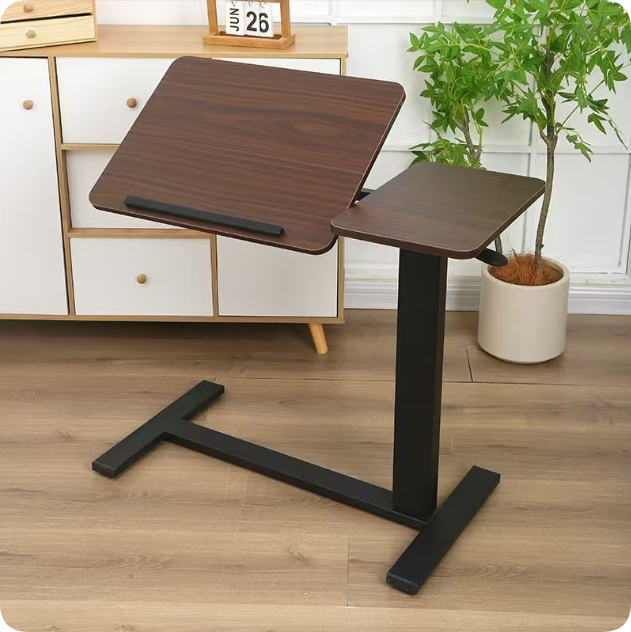
The ergonomic value of a height adjustable desk extends beyond simple comfort. Scientific research confirms that sedentary work correlates with elevated risk of cardiovascular disease, musculoskeletal disorders, and metabolic dysfunction. A height adjustable desk interrupts prolonged sitting by enabling standing work intervals, which increases energy expenditure, promotes better spinal alignment, and reduces pressure on intervertebral discs. When properly adjusted, a height adjustable desk supports neutral spine positioning, shoulder alignment, and wrist angle whether the user is seated or standing. This article explores how a height adjustable desk achieves these ergonomic benefits, the specific postural improvements it enables, and how to maximize ergonomic gains through proper setup and usage patterns.
Reducing Spinal and Postural Strain
Neutral Spine Alignment with a Height Adjustable Desk
One of the most significant ergonomic advantages of a height adjustable desk is its ability to support neutral spine positioning. When a height adjustable desk is set to the correct height for seated work, the user's elbows form a ninety-degree angle, shoulders remain relaxed, and the screen sits at eye level. This alignment prevents forward head posture, a common consequence of screens positioned too low or desks set too high. Forward head posture increases strain on cervical vertebrae and supporting musculature by up to forty percent compared to neutral positioning. A properly adjusted height adjustable desk eliminates this compensatory strain by keeping the monitor, keyboard, and work surface at appropriate heights relative to the user's body segments.
Intervertebral Disc Pressure Relief
The lumbar spine experiences significant load during seated work, particularly when a desk height forces users into rounded lower back positions. When users transition to standing on a height adjustable desk, intradiscal pressure in the lumbar region decreases, allowing the discs to decompress and rehydrate. This decompression cycle is especially important because intervertebral discs lack direct blood supply and rely on periodic pressure changes to exchange fluids and maintain disc integrity. By enabling regular standing intervals, a height adjustable desk prevents the cumulative disc degeneration associated with eight-hour seated postures. The ability to adjust desk height ensures that standing work maintains proper spinal curvature rather than forcing compensatory postures that would defeat the standing interval's benefits.
Enhancing Circulation and Reducing Musculoskeletal Fatigue
Improved Blood Flow During Standing Intervals
Sedentary sitting restricts blood flow to the legs and lower body, creating metabolic stress and contributing to conditions including deep vein thrombosis in severe cases. A height adjustable desk enables users to stand periodically, which activates the calf muscle pump and restores normal venous return to the heart. Standing work also engages core stabilizer muscles, maintaining muscular tone and metabolic activity throughout the day. When a height adjustable desk allows workers to alternate positions every thirty to sixty minutes, the cumulative circulation improvement reduces fatigue, supports cognitive function, and decreases the likelihood of work-related musculoskeletal disorders. The dynamic postural changes enabled by a height adjustable desk maintain cardiovascular engagement that static sitting cannot achieve.
Shoulder and Neck Tension Reduction
Office workers commonly experience shoulder and neck tension from prolonged seated postures combined with monitor positioning errors. A height adjustable desk solves this problem by allowing height adjustments that keep the monitor at precise eye level and the keyboard at elbow height, regardless of whether the user prefers sitting or standing. When desk height remains fixed and misaligned with the user's anthropometry, workers unconsciously raise their shoulders and crane their necks forward to reach the keyboard or view the screen. Over hours and days, this compensatory muscular tension creates trigger points, chronic pain, and movement dysfunction. A height adjustable desk prevents this cascade by maintaining proper alignment in both seated and standing configurations, distributing load evenly across postural muscles and eliminating sustained tension patterns.
Supporting Active Ergonomics and Movement Integration
Facilitating Postural Variety and Active Positioning
Static postures, whether sitting or standing, create fatigue and strain over extended periods. The ergonomic innovation of a height adjustable desk lies in its ability to enable postural variety, allowing workers to shift positions frequently without interrupting their workflow. Research demonstrates that workers using a height adjustable desk naturally alter their posture more frequently and experience less overall fatigue than those confined to fixed-height desks. A height adjustable desk encourages what occupational health experts call 'active ergonomics'—the principle that movement variety itself, independent of any single posture's correctness, reduces fatigue and injury risk. By facilitating position changes throughout the workday, a height adjustable desk distributes repetitive strain across different muscle groups and joint structures, preventing the cumulative micro-injuries that develop from sustained single-posture work.
Customization for Diverse Body Types and Preferences
Workers vary significantly in height, torso length, arm length, and individual comfort preferences. A fixed-height desk optimizes ergonomics for only a narrow range of body dimensions, leaving workers outside that range in compromised postures. A height adjustable desk accommodates this anthropometric diversity by adjusting to each individual's specific needs. An employee who is five feet tall requires a different seated surface height than a six-foot-four colleague, and both benefit from standing-position adjustments tailored to their proportions. This customization capacity makes a height adjustable desk a cost-effective ergonomic solution for diverse workforces, as a single desk accommodates multiple users or adapts as an employee's needs change due to age, injury recovery, or personal preference evolution. No two bodies are identical, and only a height adjustable desk provides the flexibility to match desk dimensions to individual biomechanics.
FAQ
What is the ideal sit-to-stand ratio when using a height adjustable desk?
Ergonomic research suggests a balanced approach rather than a rigid ratio. A height adjustable desk works best when workers alternate positions frequently throughout the day, typically standing for twenty to thirty minutes, then returning to seated work for twenty to thirty minutes. This rhythm prevents fatigue from either static sitting or static standing. Individual tolerance varies based on fitness level, leg strength, and comfort, so a height adjustable desk's primary benefit is enabling users to listen to their bodies and adjust accordingly rather than forcing compliance with a universal formula.
How does a height adjustable desk compare to other ergonomic interventions?
A height adjustable desk addresses the root cause of postural strain by enabling position variety, whereas other interventions like lumbar support cushions or ergonomic keyboards treat symptoms of poor positioning. While all ergonomic tools contribute to overall workspace design, a height adjustable desk provides the foundation by allowing fundamental postural changes. Studies show that workers with a height adjustable desk plus proper monitor positioning experience greater cumulative ergonomic benefit than those using fixed desks supplemented with multiple supportive accessories.
Can a height adjustable desk alone solve ergonomic problems?
A height adjustable desk is most effective as part of a comprehensive ergonomic strategy. Proper monitor positioning, keyboard and mouse placement, chair support, and regular movement breaks all contribute to injury prevention. However, a height adjustable desk is unique because it enables postural variety that no other single intervention provides. Without a height adjustable desk, workers remain constrained to a single posture regardless of other ergonomic tools, making it one of the highest-impact investments for reducing workplace musculoskeletal strain.