
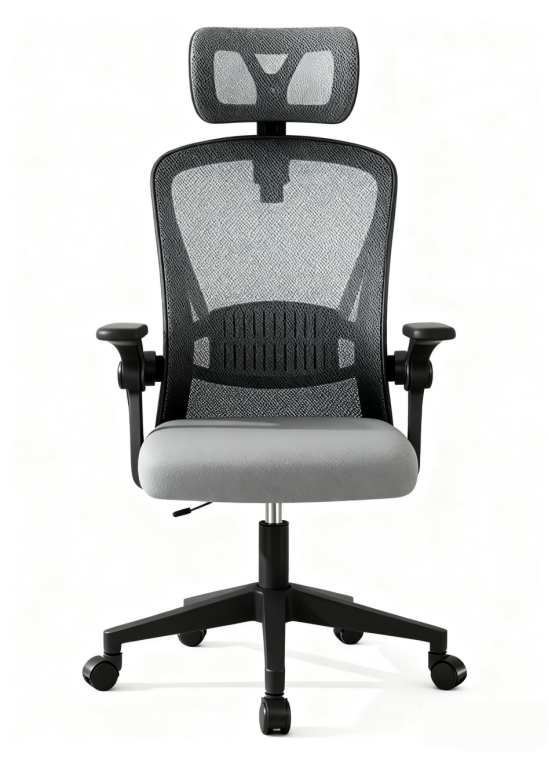
Selecting the right office chair is one of the most important purchasing decisions a business can make, yet many buyers overlook critical factors that directly impact employee productivity, health, and long-term cost efficiency. An office chair is more than just a place to sit—it is an investment in comfort, posture support, and workspace functionality that affects daily performance across your organization. Understanding what to evaluate when sourcing an office chair ensures you make informed decisions that align with your budget, workspace requirements, and employee well-being standards.
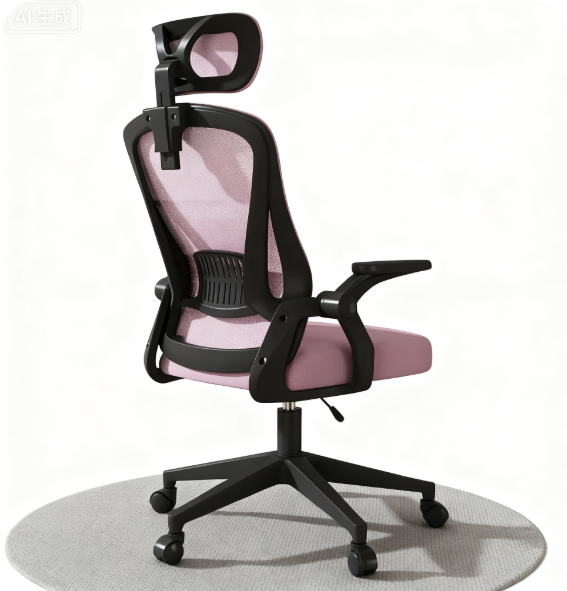
The process of sourcing an office chair involves evaluating multiple dimensions, from ergonomic specifications to material quality and warranty support. Buyers who take time to assess these elements avoid costly mistakes, reduce employee complaints about discomfort, and minimize replacement expenses. This guide walks you through the essential checkpoints that professional procurement teams use when evaluating office chair options for their organizations.
Ergonomic Design and Postural Support
Lumbar Support and Spinal Alignment
One of the most critical factors when selecting an office chair is proper lumbar support, which maintains the natural curve of the spine and prevents lower back strain during extended sitting sessions. An office chair with adjustable lumbar support allows users to customize the lower back curve to match their individual spinal anatomy, reducing pressure points and fatigue. When sourcing an office chair, verify that the lumbar support mechanism is both height-adjustable and depth-adjustable, enabling fine-tuning for different body types and sitting preferences.
Seat Height, Depth, and Width Specifications
The dimensions of an office chair directly influence comfort and safety throughout the workday. Verify that the office chair seat height adjusts smoothly across a range that accommodates your workforce—typically 17 to 21 inches from floor level—and that the seat depth allows users to maintain proper thigh and leg positioning without pressure behind the knees. An office chair with a wider seat cushion and adequate depth reduces postural stress and improves circulation, particularly for users spending eight or more hours seated daily.
Adjustability and Customization Features
Armrest and Headrest Configuration
When sourcing an office chair, evaluate whether armrests adjust in height, width, and angle to support different arm and shoulder positions throughout the day. Adjustable armrests on an office chair prevent shoulder strain and repetitive stress injuries, making them essential for compliance-conscious organizations. Some buyers also prioritize headrest options when evaluating an office chair model, particularly for roles involving prolonged screen time or intensive focus work, as headrest support reduces neck fatigue and tension.
Tilt Mechanism and Recline Range
The tilt mechanism of an office chair significantly affects dynamic sitting comfort and pressure relief. When checking an office chair specification sheet, look for multi-position tilt locks that allow users to adjust the backrest angle independently from seat recline, enabling proper support during different tasks. An office chair with a smooth tension adjustment control permits users to customize resistance based on body weight and preferred recline feel, supporting movement variability throughout the workday and reducing static posture fatigue.
Material Quality and Durability Considerations
Upholstery Material and Breathability
Material selection directly impacts the comfort and longevity of an office chair, making it a crucial sourcing consideration. Mesh office chair upholstery promotes airflow and temperature regulation, making it ideal for warm climates or users who tend toward perspiration during work. Fabric office chair upholstery offers aesthetic variety and sound absorption benefits, while leather office chair options provide durability and professional appearance but require climate control to prevent cracking. When sourcing an office chair, assess whether the chosen material matches your workplace environment, aesthetic standards, and maintenance capacity.
Frame Construction and Caster Quality
An office chair frame constructed from reinforced nylon, metal, or high-grade plastic determines structural integrity and load capacity over years of use. When evaluating an office chair for purchase, inspect the base material specification and verify that casters—the wheels on an office chair base—are rated for your flooring type, whether carpet, tile, or hardwood. Poor-quality casters cause an office chair to roll inconsistently, create noise, and require premature replacement, so sourcing an office chair with heavy-duty, quiet-rolling wheels prevents recurring maintenance costs and user frustration.
Performance Specifications and Warranty Support
Weight Capacity and Durability Testing
Every office chair model carries a specified weight capacity that buyers must verify against their user population distribution to ensure safe, compliant deployment. When sourcing an office chair, request documentation showing durability testing results, particularly for high-use environments where multiple users may occupy the same office chair in shift-based operations. An office chair with certified weight capacity above average user needs provides safety margins, reduces liability risk, and extends functional lifespan, protecting your organization's investment in workplace seating infrastructure.
Warranty Terms and Service Support
Sourcing an office chair means evaluating the supplier's warranty coverage, replacement parts availability, and repair support options that protect your investment beyond the initial purchase. A comprehensive office chair warranty typically covers frame defects, mechanism failures, and upholstery issues for three to five years, with clear terms specifying what damage qualifies for replacement or repair. Before finalizing an office chair order, confirm that the supplier maintains replacement parts inventory, offers on-site repair services, and provides clear escalation procedures for warranty claims, reducing downtime and frustration when issues arise.
FAQ
What makes an office chair ergonomic?
An ergonomic office chair combines adjustable lumbar support, customizable armrests, appropriate seat depth and height range, and a responsive tilt mechanism that adapts to different body positions and work tasks. When sourcing an office chair with ergonomic credentials, verify that it allows individual customization rather than fixed positioning, as one-size-fits-all designs fail to accommodate the diverse body types and preferences within most workforces.
How often should buyers replace office chairs?
The lifespan of an office chair depends on usage intensity, material quality, and maintenance practices, but most organizations replace office chair inventory every seven to ten years. When sourcing an office chair for long-term deployment, selecting a model with robust construction, durable upholstery, and strong warranty support delays replacement costs and maintains consistent comfort standards throughout the expected service period.
What is the ideal office chair budget?
Budget allocation for an office chair should reflect the daily usage hours, user population size, and organizational commitment to health and productivity. A basic office chair suitable for occasional use may cost $200 to $400, while a premium ergonomic office chair designed for intensive daily use typically ranges from $600 to $1,200 per unit, representing a sound investment in employee wellness and retention when sourced strategically.