
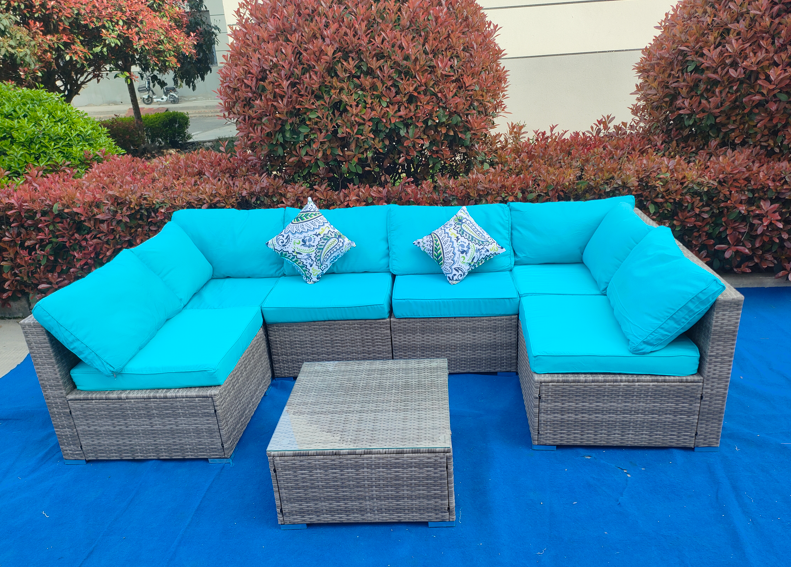
Selecting the right garden sofa involves far more than choosing an attractive design or color scheme. The material composition of your garden sofa directly determines its longevity, maintenance demands, weather resistance, and overall value in your outdoor living space. Buyers who overlook material considerations often face premature deterioration, excessive upkeep costs, and disappointing performance during harsh seasons. Understanding the key material factors helps you make an informed decision that aligns with your climate, budget, and lifestyle needs.
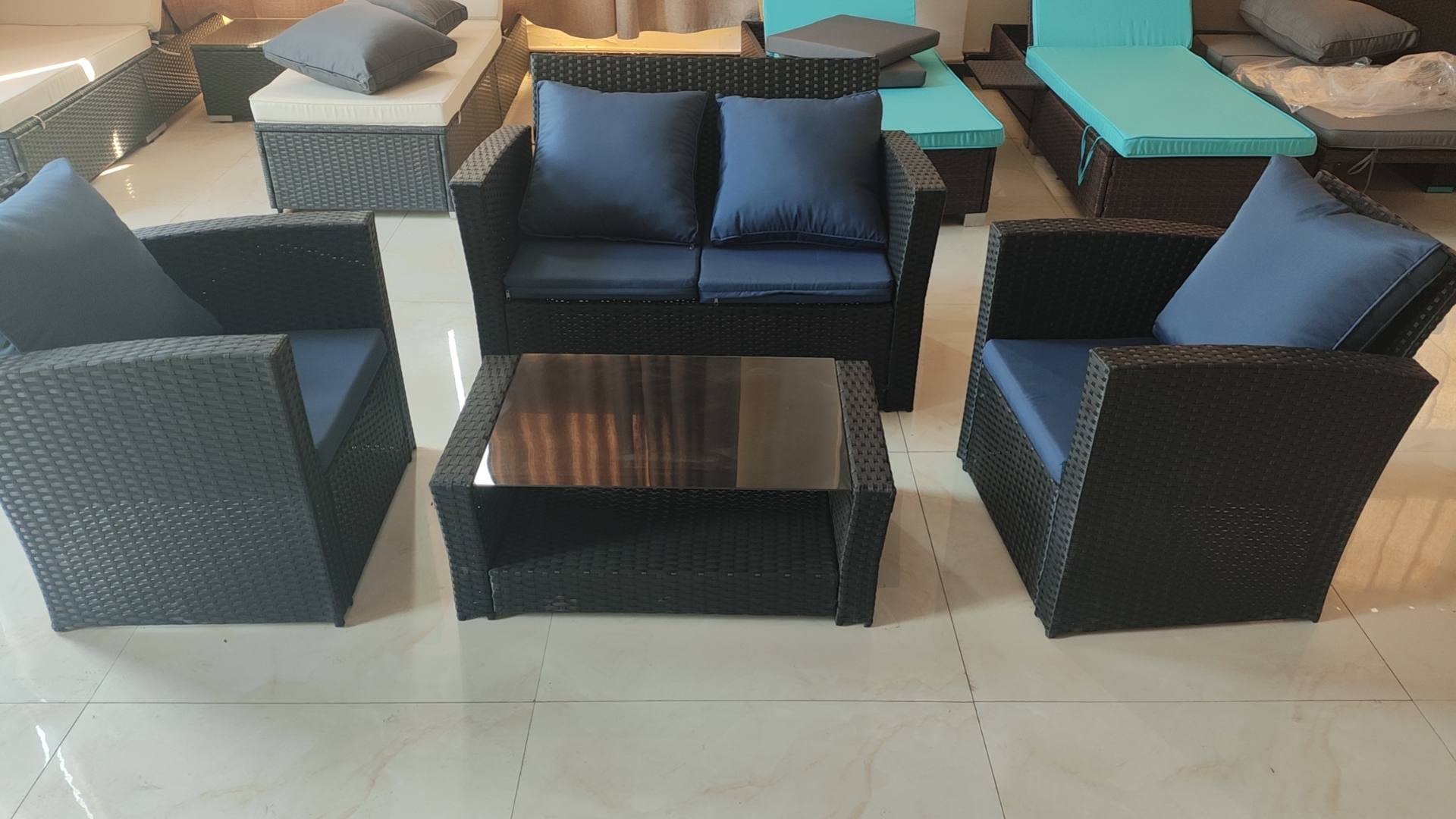
A quality garden sofa should withstand seasonal variations, UV exposure, moisture, and temperature fluctuations without compromising structural integrity or aesthetic appeal. Different materials offer distinct advantages and trade-offs; some prioritize durability while others emphasize comfort or ease of cleaning. Your choice should reflect your specific outdoor environment, frequency of use, and willingness to invest in routine care. This guide explores the critical material considerations that separate superior garden sofa investments from underperforming purchases.
Frame Materials and Structural Durability
Metal Frame Options for Garden Sofas
Metal frames represent a popular choice for modern garden sofa construction, offering excellent strength-to-weight ratios and contemporary aesthetics. Aluminum stands out as the most weather-resistant metal option, naturally resistant to rust and corrosion without requiring special coatings. Steel frames provide superior load capacity and rigidity, though they demand proper finishing and maintenance to prevent oxidation in humid environments. Stainless steel offers premium corrosion resistance but commands higher costs and adds unnecessary weight for most residential garden sofa applications.
When evaluating any metal garden sofa, examine the frame thickness, welding quality, and protective coatings applied. Powder-coated finishes protect underlying metal while offering color variety and a refined appearance. Galvanized coatings provide cost-effective corrosion prevention for steel frames, though they may show visible aging over extended periods. The connection points and joints represent critical vulnerability areas; reinforced corners and quality fasteners significantly extend the operational lifespan of your garden sofa structure.
Wood and Composite Frame Considerations
Wooden garden sofa frames deliver classic warmth and natural aesthetic appeal, with teak, acacia, and cedar emerging as superior choices for outdoor exposure. Teak contains natural oils providing inherent weather resistance and aging gracefully to silver-gray patina without deterioration. Acacia offers comparable durability at more accessible price points, though it requires periodic sealing to maintain color vibrancy. Cheaper softwoods demand aggressive treatment with preservatives and sealants, making them less practical long-term investments for exposed garden sofa applications.
Composite frames engineered from high-density polyethylene or polywood combine wood-like aesthetics with superior weather resistance and minimal maintenance requirements. These materials resist rot, splinters, and insect damage while eliminating the need for protective staining or sealing. A garden sofa featuring composite framing costs more initially but eliminates ongoing maintenance labor, making it attractive for buyers seeking convenience. However, composites may lack the tactile warmth some customers associate with authentic wood.
Upholstery Materials and Weather Resistance
Performance Fabrics for Garden Sofas
Outdoor-grade performance fabrics engineered specifically for garden sofa applications offer substantial advantages over standard indoor textiles. Sunbrella and similar solution-dyed acrylic fabrics provide exceptional UV fade resistance, typically maintaining color integrity for five years or longer under continuous exposure. These materials shed water efficiently, resist mildew and mold growth, and withstand temperature extremes without fiber degradation. A well-maintained garden sofa with performance fabric can maintain its appearance for a decade or more, justifying the premium material cost.
Olefin and polypropylene fabrics offer economical alternatives for garden sofa upholstery, delivering decent water resistance and UV stability at lower price points. These synthetic materials dry quickly and resist staining better than natural fibers, though they may show visible wear patterns and fading more readily than premium options. Color selection significantly impacts perceived longevity; neutral tones and earth shades mask weathering better than bright primary colors on budget garden sofa fabrics.
Natural and Specialty Materials
Cotton and linen upholstery on a garden sofa deliver exceptional comfort and aesthetic appeal but demand diligent protection and maintenance for outdoor conditions. These natural fibers absorb moisture readily, promoting mildew growth and accelerating degradation without careful seasonal management. Many garden sofa buyers choose cotton and linen exclusively for covered pergolas or seasonal-use applications where weather exposure remains controlled. Outdoor storage or removable cushion covers become essential considerations when incorporating natural fiber upholstery into your garden sofa investment.
Leather upholstery applied to a garden sofa creates premium visual appeal but introduces significant maintenance complexity in outdoor settings. Marine-grade outdoor leather resists UV damage and moisture better than standard leather, yet it still requires regular conditioning and protective treatments. Many discerning buyers prefer genuine leather for garden sofa applications only in covered outdoor spaces or Mediterranean climates where humidity remains relatively controlled. The decision ultimately reflects personal priorities regarding aesthetics versus practical maintenance burden.
Cushion Fill and Foam Specifications
Foam Core Qualities for Garden Sofas
The cushion fill inside your garden sofa determines comfort quality and long-term performance characteristics as significantly as the external covering. High-density polyurethane foam resists compression better than lower-density alternatives, maintaining supportive cushioning structure over years of regular use. Marine-grade foam specifically formulated for outdoor garden sofa applications resists moisture absorption and mildew growth more effectively than standard furniture foam. The density rating, typically measured in pounds per cubic foot, indicates expected lifespan; 2.5 pounds or higher represents appropriate specification for most quality garden sofa constructions.
Quick-dry foam technology accelerates moisture evaporation within cushions, preventing waterlogging and mildew issues that plague traditional garden sofa cushioning. This specialized material maintains supportiveness even after rain exposure, recovering its original shape quickly. Buyers prioritizing convenience and minimal maintenance should specifically seek garden sofa models featuring quick-dry or marine-grade foam cores. Budget-conscious buyers may accept standard foam with removable cushion covers, providing flexibility for washing and seasonal storage protection.
Cushion Cover Protection and Removability
Removable cushion covers on your garden sofa dramatically simplify maintenance and extend overall product lifespan through machine washing and targeted care. Quality outdoor garden sofa covers feature heavy-duty zippers and reinforced seams capable of withstanding repeated laundering and weathering. The fabric weight and thread count significantly impact durability; premium covers typically specify thread counts exceeding 200 and fabric weights above 200 grams per square meter. These specifications predict longevity better than marketing language when comparing garden sofa options.
Non-removable cushion covers require direct cleaning and careful handling, increasing overall maintenance complexity for your garden sofa investment. Stain resistance treatments applied during manufacturing provide initial protection but fade gradually with exposure and cleaning cycles. A garden sofa with removable, washable covers ultimately proves more practical for most households, allowing deeper cleaning and seasonal storage without specialized equipment or professional services. This feature alone justifies premium pricing when evaluating competing garden sofa models within similar aesthetic categories.
Climate Adaptation and Regional Considerations
Material Selection for Different Weather Patterns
Your local climate fundamentally shapes which garden sofa materials deliver appropriate performance and longevity. Humid subtropical regions demand exceptional mildew resistance, making marine-grade foam, quick-dry cushioning, and solution-dyed performance fabrics essential specifications for any garden sofa purchase. Arid desert climates prioritize UV fade resistance and material integrity under extreme temperature swings, where aluminum frames and Sunbrella fabrics prove most durable. Temperate regions with seasonal variation benefit most from garden sofa options featuring removable covers and storage flexibility, accommodating winter protection without compromising summer usability.
Coastal properties expose garden sofa investments to salt spray and aggressive corrosion conditions, necessitating stainless steel or powder-coated aluminum frames and marine-grade upholstery exclusively. Standard metals and untreated fabrics fail rapidly under these conditions, making premium material specification economically justified through extended service life. A well-specified garden sofa for coastal locations may cost 30-50% more than equivalent models for inland use, yet this investment prevents replacement cycles every few years. Regional climate assessment should precede any garden sofa material selection process.
Seasonal Usage Patterns and Storage Solutions
Buyers planning seasonal garden sofa usage can prioritize comfort and aesthetic preferences over extreme durability, knowing protective storage addresses weather exposure. Homes with covered outdoor spaces or dedicated garden furniture storage enable garden sofa selections emphasizing style and premium comfort materials with less aggressive weather-resistance specifications. Conversely, buyers maintaining year-round outdoor furniture exposure must accept premium costs for materials specifically engineered for continuous environmental abuse. This distinction profoundly impacts total cost of ownership, influencing whether premium specification represents sound investment or unnecessary expense.
Removable, washable cushion covers enable practical seasonal rotation and protection strategies for most garden sofa owners. Winter storage maintains cushion condition while freeing outdoor space for other purposes during cold months. Quality waterproof covers specifically designed for seasonal garden sofa storage provide convenient off-season protection without requiring complete disassembly. Buyers without dedicated storage should prioritize integrated durability and weather resistance, accepting higher material costs as insurance against neglect-related deterioration of their garden sofa investment.
FAQ
What material makes the most durable garden sofa for year-round outdoor use?
Aluminum frames paired with solution-dyed performance fabrics like Sunbrella and marine-grade foam create the most durable combination for year-round garden sofa exposure. This specification resists rust, UV fading, moisture damage, and mildew growth simultaneously, delivering 10+ year service life in most climates. Teak wood frames with premium marine upholstery offer comparable durability with different aesthetic characteristics, though they require periodic maintenance. Your specific climate and budget should guide final material selection, but this aluminum-and-performance-fabric combination represents the optimal durability standard for garden sofa applications.
Should garden sofa cushions be removable and washable?
Removable, machine-washable cushion covers on a garden sofa significantly extend cushion lifespan and simplify maintenance, making this feature highly valuable for most buyers. The ability to wash covers regularly prevents mildew accumulation and staining while keeping the garden sofa appearing fresh and well-maintained. Non-removable covers require professional cleaning services and limit practical maintenance options, ultimately costing more over the furniture's lifetime. Unless your garden sofa occupies a protected covered space with minimal weather exposure, removable covers deliver genuine practical value justifying any modest price premium.
Is teak or aluminum frame better for garden sofa construction?
Teak delivers warmth, natural aging character, and excellent durability for garden sofa frames, though it requires periodic sealing and maintenance to preserve appearance. Aluminum offers superior corrosion resistance, requires less maintenance, and provides contemporary aesthetics at lower cost than quality teak. Neither material is objectively superior; the choice depends on climate, preferred aesthetic style, and maintenance commitment. Coastal properties and humid regions favor aluminum's hassle-free durability, while temperate climates and covered spaces allow teak's benefits to shine in a well-maintained garden sofa arrangement.